Content curation is the human practice of selecting, organizing, and connecting information with context and intention. In a scenario dominated by algorithms and informational overload, it has become an essential skill to generate meaning, depth, and real impact.
What is HackTown and when did it take place in 2024?
HackTown is a Brazilian festival of innovation, creativity, technology, and culture, held annually in Santa Rita do Sapucaí (MG). The event stands out for occupying the entire city with in-person activities, promoting meetings between professionals from diverse fields, entrepreneurs, creators, and researchers.
The 2024 edition took place from August 1 to 4 and brought together hundreds of speakers and activities spread across different spaces in the city, reinforcing the experimental, decentralized, and collaborative nature of the event.
Who is Beatriz Guarezi and why does her perspective on curation matter?
Beatriz Guarezi, also known as Bia, is a content creator, TEDx Speaker, branding specialist, and author of the Bits to Brands newsletter. She has years of experience analyzing behavioral trends, digital culture, and brand building, with a focus on critical thinking and storytelling.
At HackTown 2024, your talk — “Creators need to be curators” it started from a simple yet powerful provocation: in a world where everything can be generated automatically, Human value lies in choice, filter, and context..
What is content curation, anyway?
Content curation is not just gathering links, references, or loose information. It is an active process of:
- Select what matters
- Connect seemingly disconnected ideas
- Organize information coherently
- Making sense of the excess
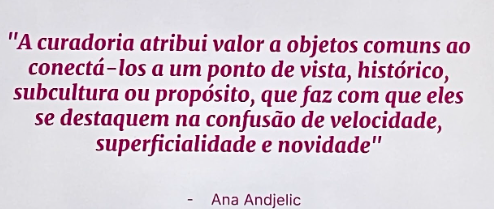
Instead of accumulating content, curation builds a narrative. It stems from a human perspective, with intention, background knowledge, and responsibility for the impact of the shared information.
What is the difference between human curation and automated curation?
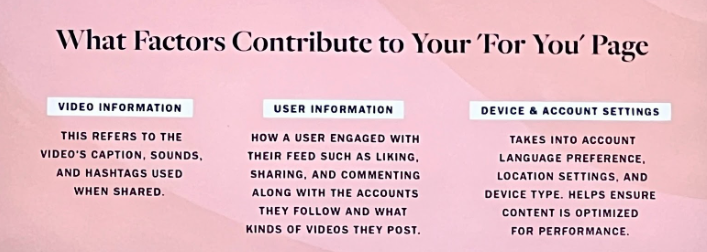
Platforms like TikTok, Instagram, or YouTube use recommendation algorithms based on behavioral signals — screen time, clicks, likes, and pattern repetition. The main objective of these systems is to maximize engagement, not necessarily to broaden repertoires or promote diversity of thought.
Human curation, on the other hand:
- Conscious intent part
- Carries opinion and sensitivity
- Connects ideas with depth
- Assume editorial responsibility
While the algorithm reacts to past behavior, the human curator proposes new paths, often outside the audience's comfort zone.
Why has curation become an essential skill today?
We live in a scenario of information overload, where the problem is no longer access, but selection. The constant volume of content, notifications, and stimuli can generate cognitive overload and superficial consumption.
Curation emerges as a practice of intellectual survival: a conscious filter that helps build a repertoire with quality, relevance, and meaning — instead of merely reacting to the endless flow of feeds.
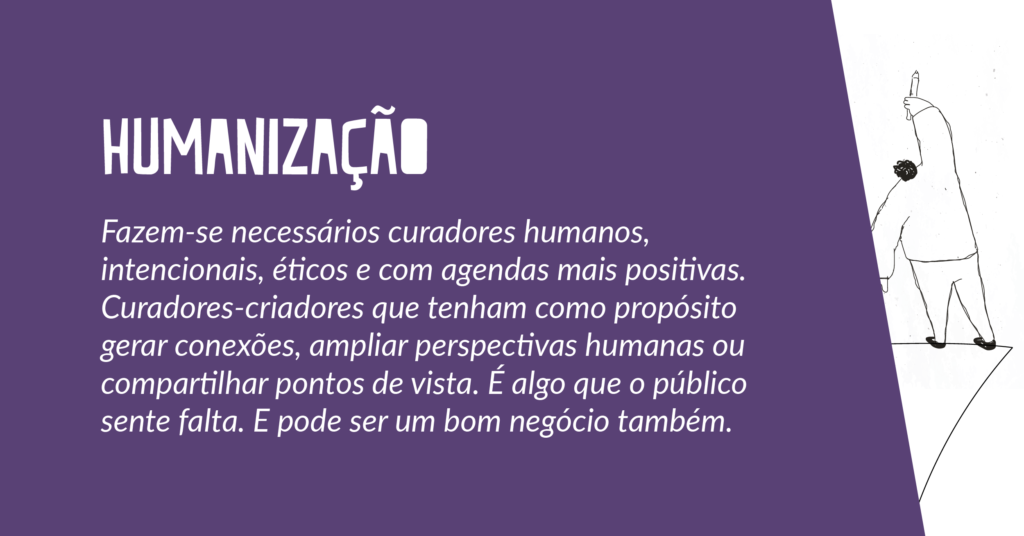
What real examples show the value of content curation?
Some projects have become benchmarks precisely because they assumed a clear editorial role:
- Morning Brew, The Hustle and Daily Skimm they grew by transforming complex news into accessible narratives, with their own tone, language, and editorial angle.
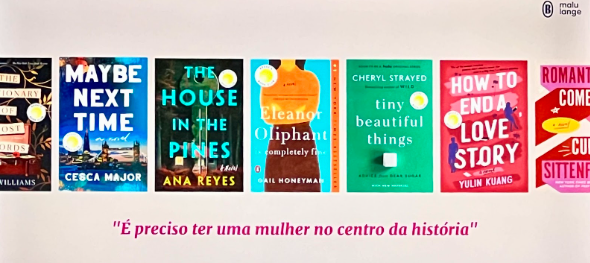
- O Reese’s Book Club, created by Reese Witherspoon, used book curation with female protagonists as the central axis of a cultural and business community.
Why did Bia compare information to food?
During the lecture, Bia proposed a direct analogy: information works as food. Just as an unbalanced diet affects physical health, an unregulated consumption of content affects mental health.
Carefully selecting what we read, watch, and listen to is a way of nourish the mind, avoiding both superficiality and informational exhaustion.
How does the curation of an event like TEDx Blumenau work?
Bia shared the curation process applied to TEDx Blumenau, structured in four clear stages:
- Umbrella theme
Definition of a core concept that guides all programming. - Developments of the theme
Exploration of different perspectives and possible readings. - People and content
Selection of speakers with real-life experience and relevant ideas. - Background check
Evaluation of coherence, originality, and suitability to the event's context.
This model guarantees depth, diversity, and narrative consistency.
What does it mean to say that curation is not a moment?
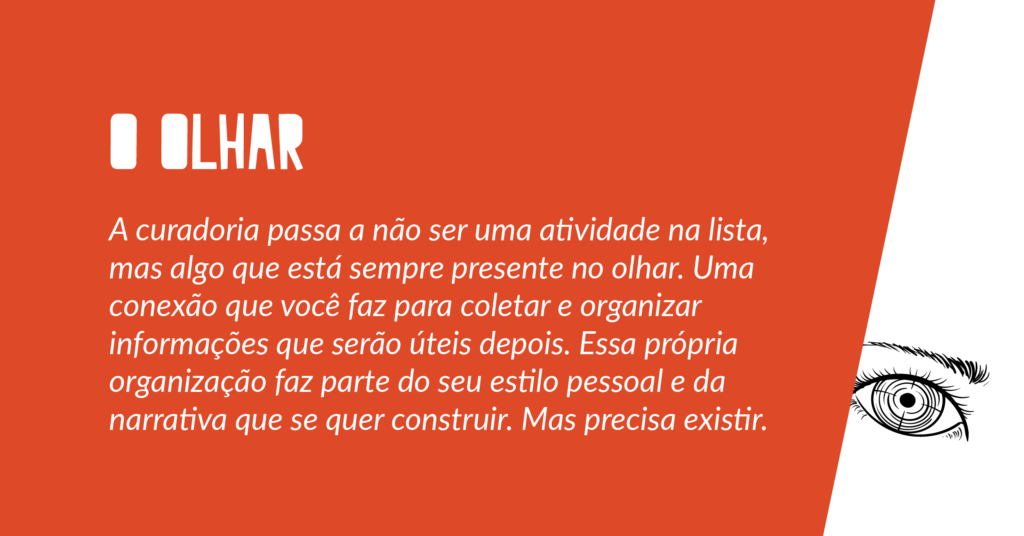
For Bia, curation it doesn't happen only in one-off projects. It must be viewed as a permanent lens for observing the world.
It is a state of continuous attention that seeks patterns, connections, and meanings even beyond the obvious — something that cannot be fully automated.
How to organize your own “second brain” for curation?
Each person can build a personal system to record, organize, and connect relevant ideas—the so-called second brain. This can be done with:
- Notion
- Trello
- Confluence
- Folders in Drive
- Physical notebooks
The tool matters less than the organizational logic, which must make sense to the person using it.
What makes curation truly human?
Human curation is born from the combination of:
- Experience
- Context
- Sensitivity
- Curiosity
She recognizes that distant ideas can generate valuable insights when connected. It is not an automatic information stock—it is a narrative with intention.
Why does a curious and broad perspective make a difference?
Bia comments that when capturing content, it is interesting to look at your preferred topics, but also at what, for some reason or no reason at all, caught your attention. Sometimes, a lecture on astrophysics can bring valuable insights to someone working in fashion. And vice versa.
The curious, broad, generous, and genuinely interested gaze is the basis of all high-impact curation. And it can also be a path to a much richer, multifaceted, and interesting life than the one shown to you by the automated feed of your favorite social network.