
Published 04/26/2023 at 12:22 PM
April 26th is Intellectual Property Day., bringing visibility to a very important topic, especially for companies and organizations that work with their own products and services.
Check out the topics covered in this article:
- What is intellectual property?
- Can a brand be considered intellectual property?
- What is the importance of protecting your brand for a technology company?
- 5 tips to ensure your brand is protected as intellectual property
Happy reading!
What is intellectual property?
Intellectual property is a legal protection demarcation that serves as a measure of regulation and recognition of authorship for assets tangible or intangible.
This means that any work or production with inventive activity can be protected from copying or plagiarism, ensuring that the person or company that conceived it retains the right to market or exploit it financially as they wish.
Intellectual property is divided into two major categories by the world body that oversees this issue, the World Intellectual Property Organization. These categories are:
- Copyrightrelated to works of an artistic and literary nature;
- Industrial Property: related to trade and businesses.
Can a brand be considered intellectual property?
Yes.
Brands are part of legally protected works within the concept of intellectual property.
Here in Brazil, brands are defined and regulated by the National Institute of Industrial Property (National Institute of Industrial Property). According to its definition, marks are recognized as those that present:
“a distinctive sign whose main functions are to identify the origin and distinguish products or services from others that are identical, similar, or related and of different origin.”
In other words, any and all signs that help distinguish one product from another can be considered part of the brand, such as:
- Brand Name;
- Product and Service Names;
- Color palette;
- Logos;
- Symbols;
- Catchphrases;
What is the importance of protecting your brand for a technology company?
In the not-so-distant past, the issue of brands and intellectual property was a bit simpler. A large part of products were more physical, and their characteristics were more tangible and real. Even literary and artistic works were conceived and appreciated in their printed versions.
In this new digital age, many services don't even exist in the physical world. Some of them, in fact, are abstractions that exist only in the digital realm. Technology companies sell software, licenses, services, etc. Everything has become quite fluid and volatile.
With this, brands have also transformed and gained new facets. With the current agility of information exchange, If your brand isn't well protected, it's quite possible that another company will launch a similar service and gain a foothold in the market.
Therefore, it is even more important in this context that both your brand and your products and services are duly registered and patented.
5 tips to ensure your brand is protected as intellectual property
1. Avoid descriptive brands
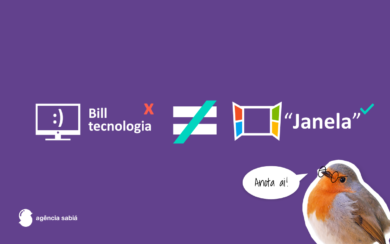
The brand's idea is to be original. Windows, for example, is a product that is part of the Microsoft brand, but even though it means “windows” in English, it has nothing to do with the “window” product itself. The name is a metaphor for the service. Therefore, you should always think creatively to avoid giving a literal name. After all, The simpler and more descriptive the name, the higher the chance someone is already using it.!
Choose a distinctive brand that complements your company's values
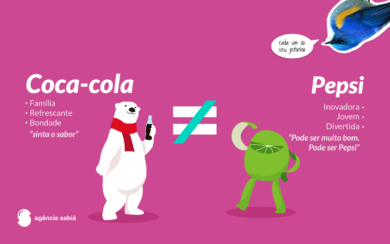
Pepsi and Coca-Cola sell very similar products: cola sodas. However, even though they are in the same industry, one brand has nothing to do with the other. This is because a brand goes beyond visual components like logos and slogans. The messages, values, and associations evoked by the brand also constitute intellectual property. Therefore, to avoid potential legal issues, build other environments for your brand.
3. Check the novelty of your brand
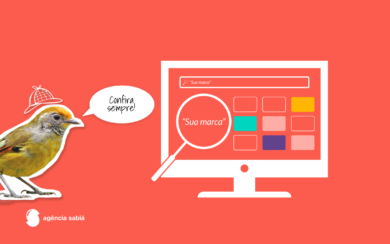
New brands emerge all the time. So, before launching a brand, check if it's not already registered and avoid infringing on an existing brand. After launch, monitor the competition to see if your intellectual property rights are being respected.
4. Ensure that your brand is properly registered
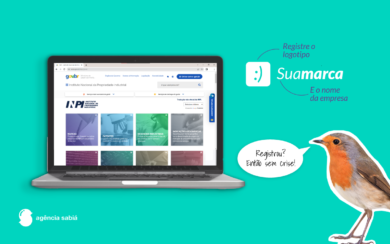
For a brand to be considered intellectual property, it is not enough for it to simply exist in the market. On the contrary, You must register all elements that make up your brand with the body that regulates and patents intellectual property in Brazil: the INPI.
The INPI is a governmental body responsible for all Industrial Property registrations and patenting within the national territory. To do this, you only need to go to the INPI website, select the “trademarks” option, and follow the basic guide provided by the government.
5. Utilize intellectual property signs in your brand and services
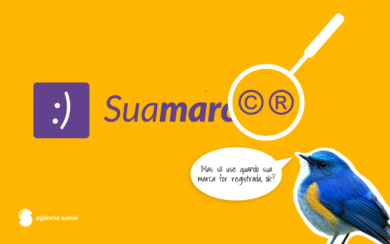
Whenever possible, use the signs that indicate that the brand or service is intellectual property. These signs indicate that there has been a registration with an intellectual property regulatory body in the region.
The valid signs in Brazil are:
Copyright Used for copyright protection;
® (Registered trademark): It means that a brand or product is duly registered with INPI;
However, use these symbols only while the registration is valid with the INPI. Using these symbols without having a registration can be characterized as a crime of ideological falsity.
Conclusion
As we've seen, trademarks are one of the elements that can (and should) be registered as intellectual property. If you have a company and its trademark is not yet registered, be aware that this could lead to significant headaches if a competitor decides to copy it. Therefore, properly register your trademark, especially if you are a company in the technology sector, a market where innovation and inventiveness are important to distinguish your business.